Decommissioning
Ghana is saving for oilfield cleanup. We need to know whether it will be enough.
By Emmanuel Sampson · Accra · September 2026
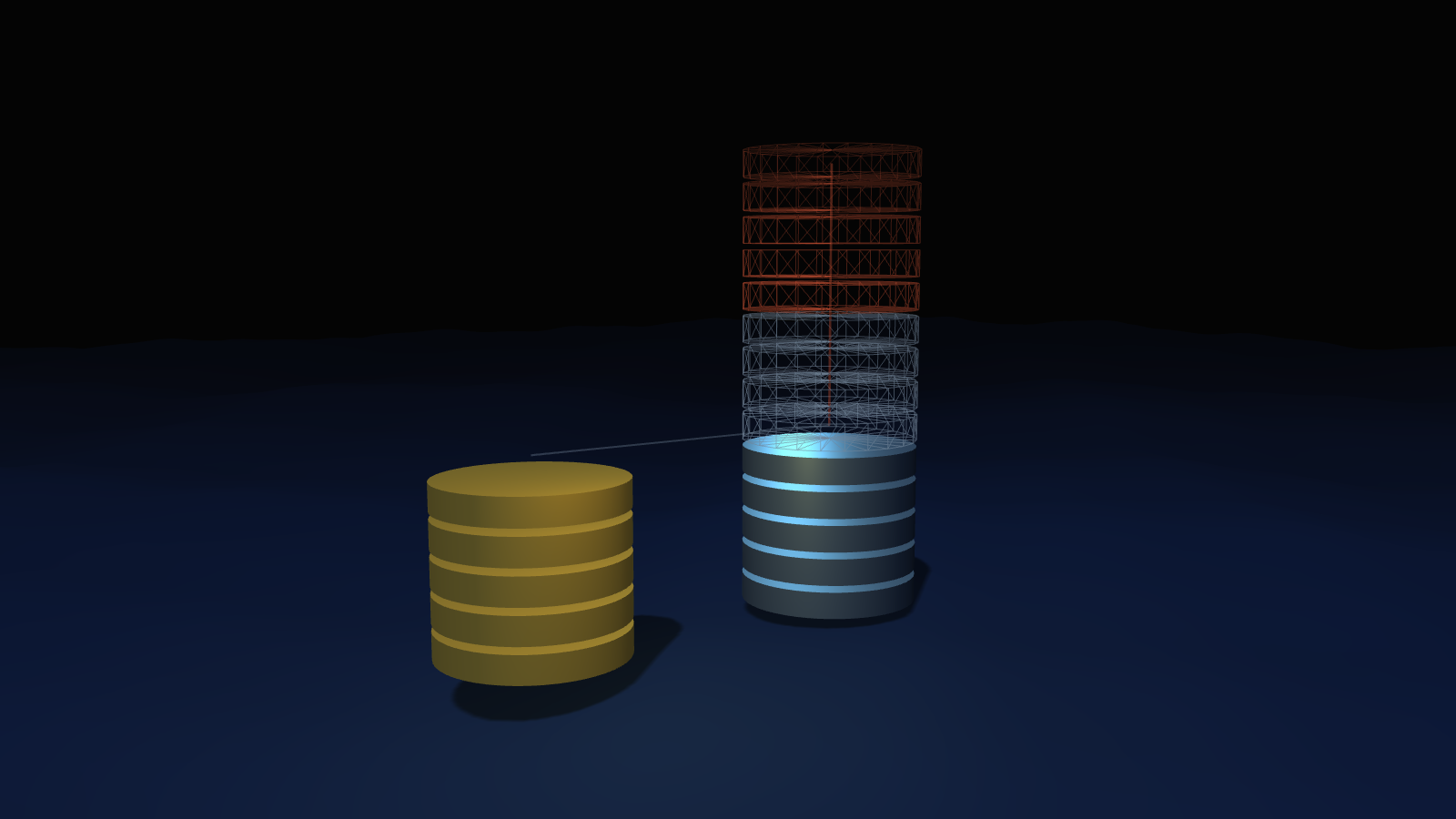
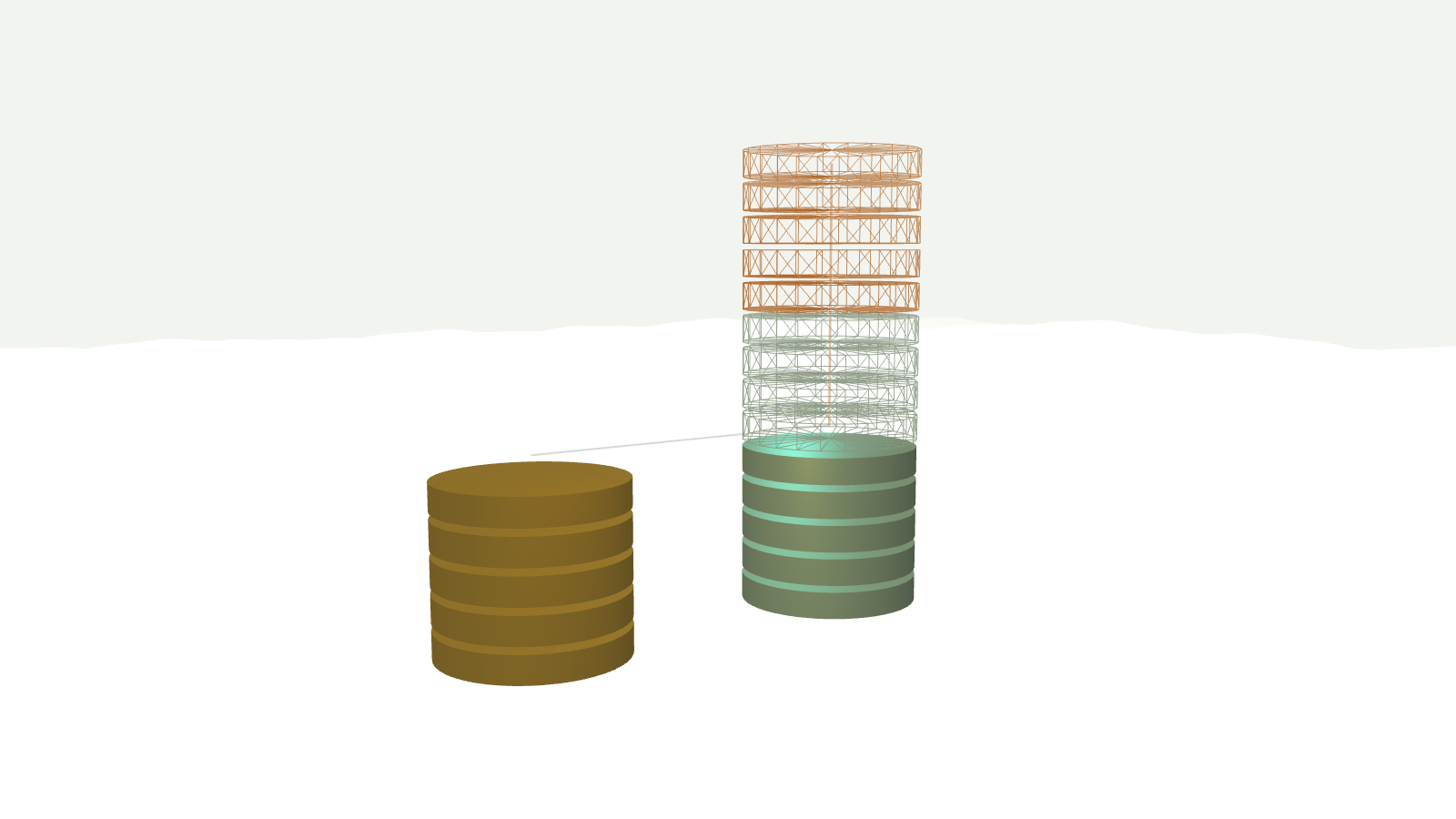
At Saltpond, closing Ghana’s oldest oilfield has meant years of work after production stopped. Wells had to be sealed, a platform dismantled and the site made safe. GNPC took responsibility for the project, with public petroleum revenues helping to pay for it.
For those of us concerned with how Ghana manages its offshore industry, Saltpond deserves more attention. It shows the obligations that remain when an oilfield can no longer earn its keep.
Ghana has since taken a useful step towards funding those obligations. In March 2024, the government and Jubilee partners signed an agreement establishing a decommissioning trust fund, with the Bank of Ghana as trustee. Tullow’s financial results show that the company had contributed $11.6m by the end of that year.
The question now is how we judge whether the money being set aside will cover the work.
That requires a reliable account of the infrastructure offshore: where it is, what condition it is in, how it has been altered and who is responsible for it. Ghana needs to be able to follow that information throughout a field’s operating life and use it to check the estimates on which funding decisions depend.
Some of this information already exists. Jubilee’s published environmental assessment, for example, describes its subsea infrastructure and provides for updates to the decommissioning plan as the field changes. The task is to make such records consistently useful to the institutions overseeing the eventual closure.
A register, not just a map
I would like to see Ghana make a verified national offshore asset register a priority. For each installation, it should bring together its location, ownership, inspection history and the evidence supporting its proposed treatment at the end of its life. Officials should be able to establish when a record was last checked and identify gaps that need further investigation.
A map would help, but the records behind it would determine its value.
Consider a pipeline that has been on the seabed for twenty years. Its original drawings tell an engineer what was installed. Subsequent surveys help establish whether it has moved, become exposed or suffered damage. Repairs and modifications may affect how it can safely be handled. These details influence the equipment required, the time offshore and ultimately the price.
Where the evidence is incomplete, a contractor may need additional surveys or allow more money for uncertainty. Good records would give Ghana a stronger basis for examining those allowances and comparing bids. They would also help distinguish a justified cost from one that deserves further questioning.
There are limits to what international comparisons can tell us. A removal project in Ghana will not necessarily cost the same as one in Norway. Water depth, vessel availability, distance from suitable facilities and the condition of the equipment all matter. We need enough information about our own fields to understand those differences.
We also need to revisit estimates as circumstances change. Britain’s 2025 review of its offshore regulator recorded rising decommissioning costs and identified pressures including higher rig rates, competition for equipment and work exceeding initial estimates. Ghana’s funding arrangements need to accommodate that kind of change while operators still have time to respond.
What earlier planning buys us
For Ghanaian businesses and workers, earlier planning could make a substantial difference. A company considering investment in a fabrication yard or equipment needs some indication of the work ahead. Training institutions need time to prepare people for inspection, well abandonment, lifting operations and waste handling. A credible forecast of decommissioning activity would help them decide what to invest in and when.
That would not guarantee local contracts. Ghanaian firms would still have to meet the technical and safety requirements. But they would have a better chance of competing if they could prepare before the tenders arrived.
Environmental oversight would benefit from the same discipline. Closure decisions should be supported by records of what was installed, what treatment was approved and what work was actually completed. Any continuing monitoring obligations should remain traceable after the operating company has finished its work.
My interest in this comes through Enatlas, which I founded to work on digitising seabed interventions. Technology can help organise these records, but keeping them reliable requires clear responsibilities: operators submitting updates, regulators checking them and Ghana retaining access as personnel, contractors and systems change.
During 2026, the Petroleum Commission could begin by establishing what information it already holds across Jubilee, TEN and OCTP, identifying the gaps and setting a common standard for updates. That would provide a practical basis for developing the register and connecting it to regular reviews of decommissioning costs.
Ghana has begun putting money aside. We should now be able to show what that money is expected to pay for, how the estimate was reached and when it was last checked.
References
- Ghana News Agency — Saltpond Oil Field: GNPC begins decommissioning on Monday, September 2022.
- Auditor-General of Ghana — Report on public boards, corporations and other statutory institutions, including disbursements for Saltpond decommissioning.
- Tullow, published by BusinessGhana — Tullow and partners establish a decommissioning fund for Jubilee, April 2024.
- Tullow Oil — 2024 full-year results, note 10: contribution to the Jubilee decommissioning trust fund.
- Tullow Ghana — Greater Jubilee Environmental and Social Impact Assessment Review and Update, chapter 10: decommissioning and abandonment.
- UK government — North Sea Transition Authority Review 2025, discussion of decommissioning costs and pressures.
Emmanuel Sampson is the founder of Enatlas and is studying for a master's degree in subsea engineering at the University of Aberdeen.