Decommissioning
A case for a decommissioning registry for Ghana
By Emmanuel Sampson · Accra · September 2026
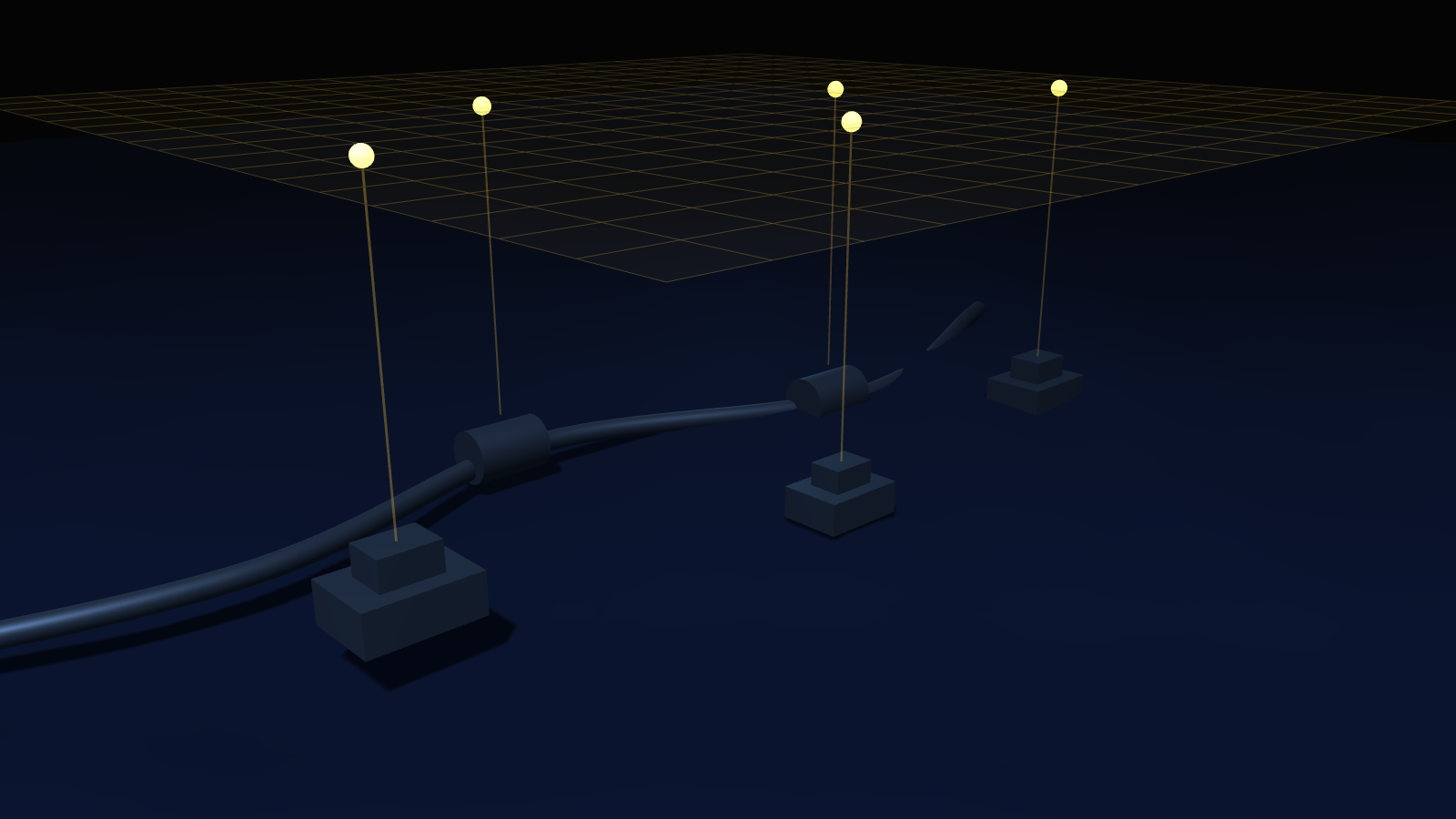
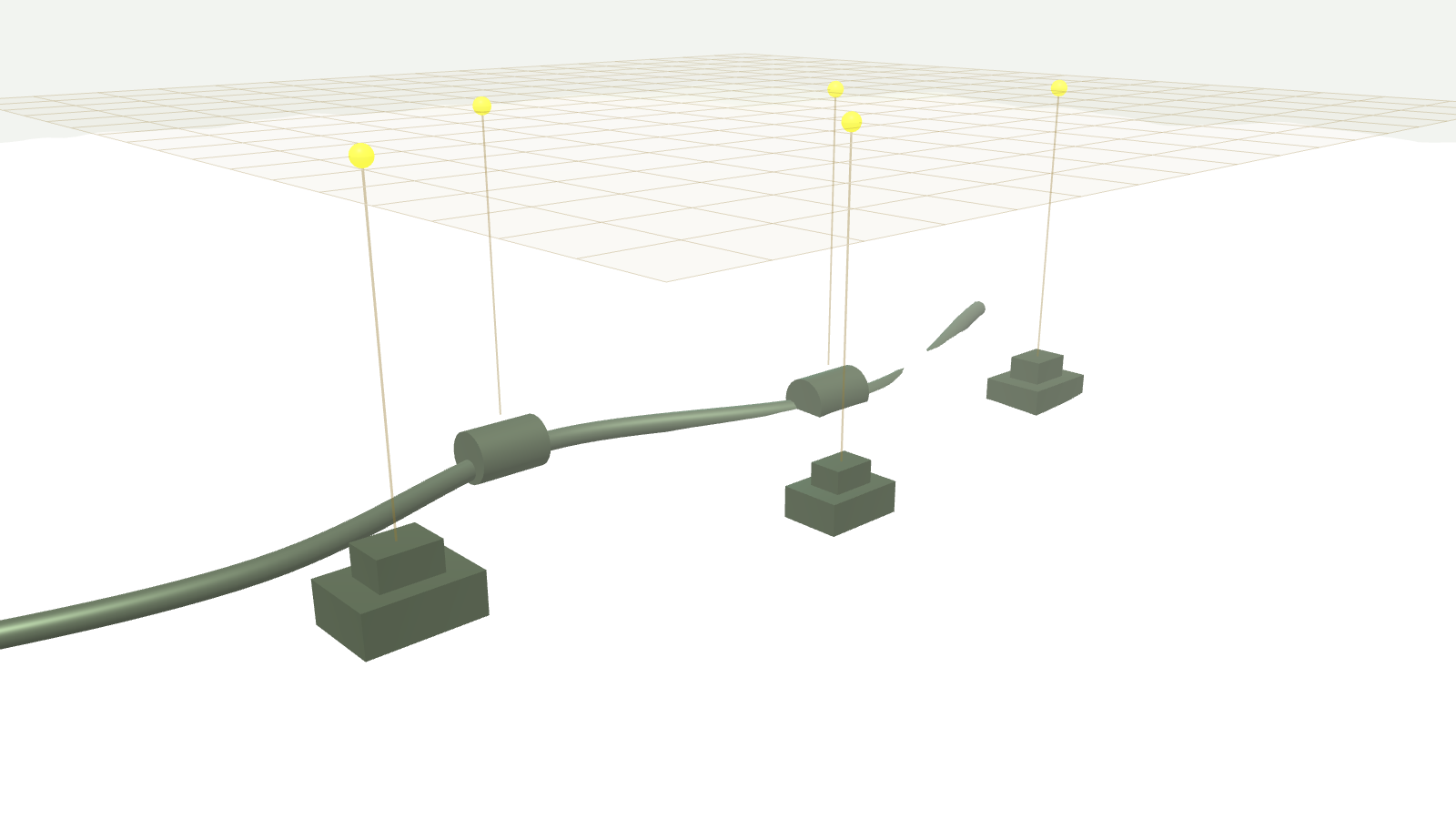
In the UK and Norway, decommissioning is a discipline. Not a paragraph in a contract, but a dozen guidelines, a dedicated regulator, and at the University of Aberdeen, a full MSc programme on it. They got there after learning hard lessons.
Ghana, to our credit, did not wait. In 2018, pursuant to Section 44 of the Petroleum (Exploration and Production) Act, 2016 (Act 919) and L.I. 2359, we signalled that we would not wait until 2035 to have this conversation. And in 2024, we operationalised the Decommissioning Fund at the Bank of Ghana, to set aside money to restore our seabed after it has powered our economy.
But if recent history teaches us anything, it is Saltpond.
Ghana paid for Saltpond’s decommissioning from public funds because there was no provision by the previous operators. No validated asset inventory. No enforceable datum. The liability transferred from contractor to state by default. Nigeria shows what that looks like at scale: thousands of abandoned assets, unmapped liabilities, and communities left with the bill.
A quantified but unmapped liability
Under L.I. 2359 Regulation 61, the contractors behind Jubilee, TEN and OCTP must submit decommissioning plans with locations, depths and materials. Under Regulation 61A, the contractor is responsible for carrying the work out. Yet the Petroleum Commission today holds this information as disparate PDFs and spreadsheets from operators — not as a validated, versioned, spatial register built on the IHO S-100 family of marine data standards.
That gap creates three immediate risks, whether the work is self-funded or financed through the World Bank:
- Fund miscalculation. Contributions due under the 15-year trigger cannot be accurately calculated without a definitive asset count, coordinates and condition history.
- Environmental liability. The EPA cannot audit as-built infrastructure against the approved Plan of Development without a single source of truth.
- Lending risk. World Bank environmental and social standards (ESS1, ESS4) require the borrower to demonstrate end-of-life management of petroleum infrastructure. Without a register, that is hard to demonstrate for programmes like PROBLUE and WACA.
Setting up the Fund was the right move. But more must be done to get value for that money when the time comes to spend it. A register brings many benefits; let me give you three.
1. Bargaining power
We were smart enough to set up the fund. We can still be badly disadvantaged when we sit down with a contractor in 2035. Imagine the contractor tells you a job that cost $5m in Norway will cost $10m in Ghana — because we cannot provide accurate, time-stamped data on how the assets have fared over their life. The numbers are illustrative; the mechanism is not.
That uncertainty premium is the cost of not knowing our own seabed. If we start today, by 2035 we can put ten years of validated condition data on the table and drive the contingency down.
The logic is the same as buying a car. A Toyota Corolla that spent its life as a taxi sells for less than one driven privately, only on weekends. The difference is history. With a registry, we have history. Without it, we are buying blind — and we pay for the blindness.
2. Local content, deliberately
With an active register, we can map a strategy for training and developing local skills to meet the demands of the job. We can see which assets will be removed first, what skills are required, and which yards can be upgraded in time.
Without that framework, we spend ten years saving just to pay a foreign contractor. With it, we spend ten years preparing Ghanaian contractors to do the work. That is the intent of L.I. 2204.
3. The world has changed since 2018
The cost projections that informed the Fund in 2018 did not include COVID-19, the war in Ukraine, conflict in the Middle East, or the sharp rises in vessel rates and steel prices since. If we sit idle until 2035, there will be a gap between what we have contributed and what the job actually costs. When that happens, the difference falls on central government — as it did with Saltpond.
A register is how we close that gap early. It gives us live cost benchmarking against the UK’s NSTA decommissioning cost estimates and Norway’s Sodir data. It lets the Bank of Ghana and the Ministry of Finance adjust contributions before it is too late.
| Norway | United Kingdom | Ghana | |
|---|---|---|---|
| Public asset register | Yes — FactPages (Sodir, formerly NPD) | Yes — NSTA open data and Pathfinder | Not yet |
| Decommissioning cost tracking | Yes — Sodir reporting | Yes — NSTA Decommissioning Cost Estimate, updated annually | Fund only — no public cost baseline |
| Forward work visibility for suppliers | Yes — public field status and cessation plans | Yes — Pathfinder project pipeline | No — operator plans held as documents |
| Decommissioning fund | Operator liability, state share via the tax system | Operator liability, securitised | Yes — trust fund at the Bank of Ghana, 2024 |
Norway has the FactPages. The UK has its decommissioning cost estimate and project pipeline. Ghana has Jubilee, TEN, OCTP — and Saltpond’s lesson.
We set up the Fund in 2024. We should set up the Register in 2026 — so that in 2035 we bargain with data, we decommission with Ghanaians, and we pay what the work actually costs, not what uncertainty costs.
The team at Enatlas is building it: a single-source-of-truth asset register, aligned with the IHO S-100 family of marine data standards. Come along and join us.
Emmanuel Sampson is the founder of Enatlas and is studying for a master's degree in subsea engineering at the University of Aberdeen.